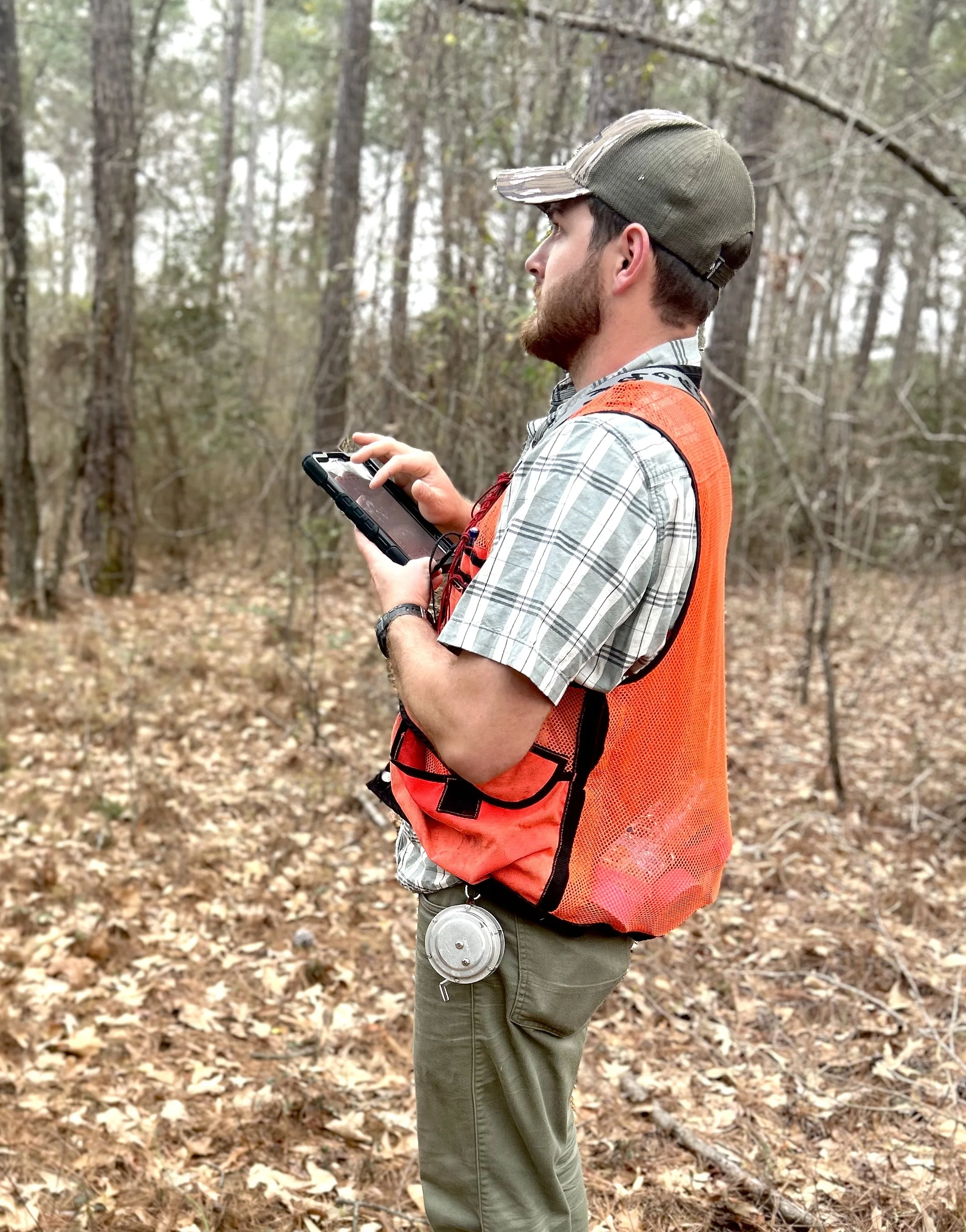
Estate Timber and Property Valuations
When timberland is inherited, one of the most important steps landowners can take is obtaining a professional valuation of the timber and property. At the time of inheritance, the value of the property is typically adjusted to its fair market value, commonly referred to as a stepped-up basis. This valuation establishes the baseline value of the land and timber for future tax purposes.
Without a documented valuation, heirs may later face uncertainty when timber is harvested or the property is sold. In many cases, failing to establish a proper valuation at the time of inheritance can result in landowners paying taxes on gains that occurred long before they owned the property.
A professional timber and property valuation provides a clear record of the value of the timber resource and the property at the time it is inherited. This documentation can be important for estate settlement, tax planning, and future timber sales. By understanding the value of their timberland at the time of inheritance, landowners can make better long-term decisions about managing, harvesting, or transferring the property to future generations.
Tar River Forestry Consulting provides professional timber and property valuations to help heirs and landowners establish accurate baseline values and ensure their timberland assets are properly documented.
When Should a Timber Valuation Be Done?
• After inheriting timberland
• Before selling timber
• For estate settlement and stepped-up basis documentation
• For tax planning and financial recordkeeping
• Before selling rural property or timberland
• Before dividing inherited property among family members
• When settling an estate or trust involving timberland assets
• Before purchasing timberland to understand the value of the timber resource
• When evaluating timber damage from storms, fire, or other natural events
• When planning long-term forest management or investment decisions